Blog

10 Proven Marketing Techniques for Service Industries
Marketing in service industries presents unique challenges compared to product-based industries. Unlike tangible products, services are intangible and often difficult to demonstrate, making it more challenging to convey their value to potential customers....

Scaling Your Brand: Unlocking the Secrets to Sustainable Growth and Profitability
A brand's long-term success depends heavily on sustainable growth. It entails growing the company in a way that can be sustained over time without endangering the company's reputation, clientele, or financial stability. Sustainable growth ensures that a brand can...

Understanding the Human Factor in UX Design
Understanding user psychology is essential in UX design because it helps designers create interfaces that match how people think and behave. When designers study human cognition and emotion they can build experiences that feel natural and satisfying. Without this...

The Psychology of Logo Design: How to Connect with Your Audience
Understanding your audience is crucial in logo design as it allows you to create a logo that resonates with them on a deeper level. By knowing your target demographic's preferences, values, and cultural background, you can tailor your logo to appeal to their specific...

Being Authentic & Genuine
As the online landscape continues to be more and more shaped by AI, it has become increasingly difficult to stand out from the crowd. After all, if nearly everyone is pulling their content from the same LLM, it is bound to get repetitive—and the more people who do it,...
How Storytelling Can Enhance Your Content Marketing
Over the past few years, we’ve seen an explosion of content across every industry. With the rise of AI tools, it’s never been easier to generate blogs, emails, and social media posts at scale. Some of that content has managed to rank well on Google. A lot of it has...
Bridging Generations: How Emoji Evolution Reflects Brand Shifts
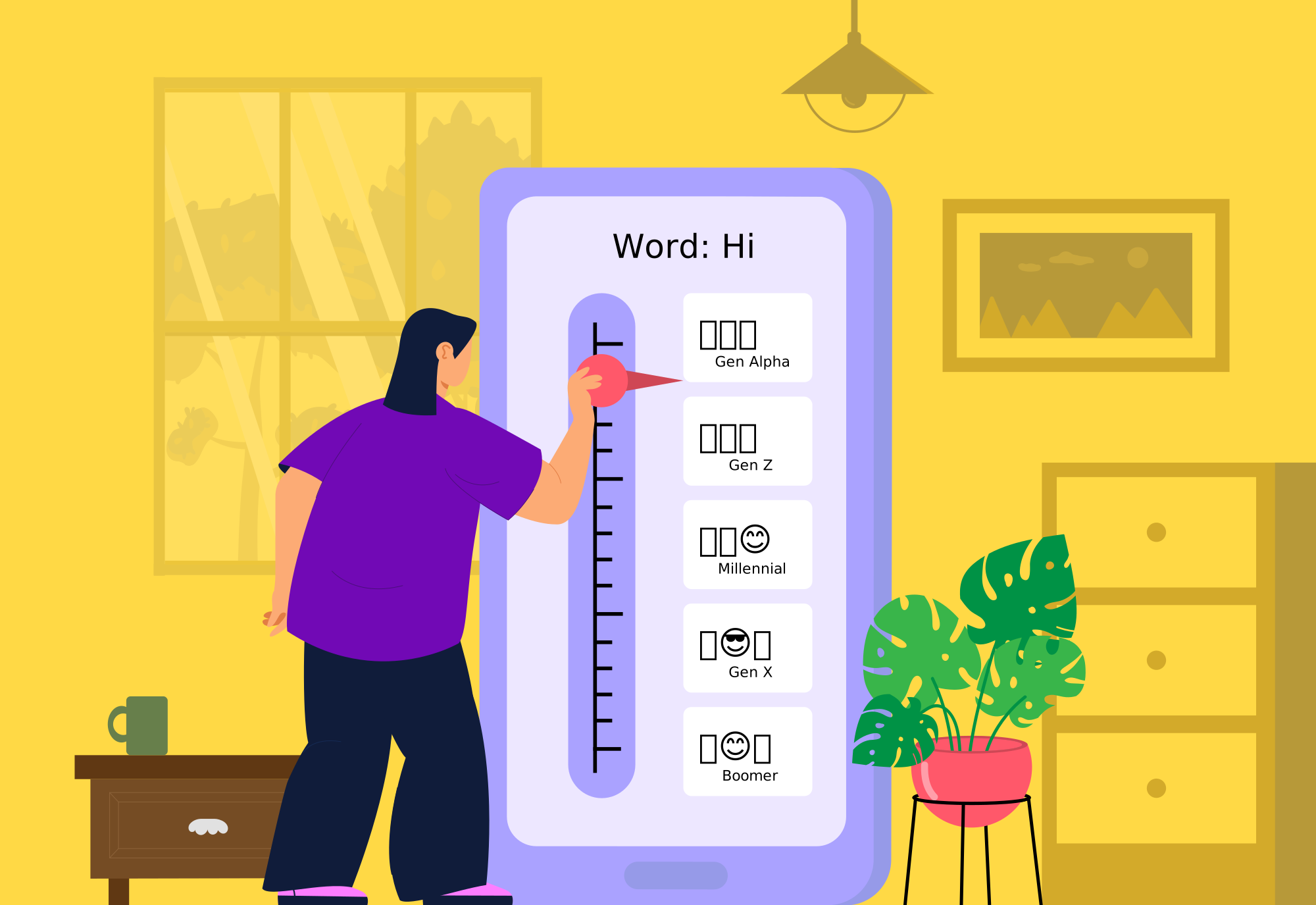
Emojis have come a long way since we were typing a simple : ) on AOL Instant Messenger. Now, in addition to those punctuation-based classics, we have hundreds of colorful graphics to choose from, including various expressions, foods, flags, and so much more. Their...
Top 5 Essentials for a Successful Design Presentation
You’ve put in the hours, interviewed the stakeholders, and made change after change to get your design just right. Now, it’s time to present your design to your boss or client, which is an entirely different ball game. Here are the top 5 essentials you need to make...

How to Turn Design Skills into Second Nature
There’s nothing that compares to the rush of mastering a new design skill. When you’ve managed to go from the design equivalent of training wheels to speeding down the street, it feels like flying! However, then you face the challenge of taking that design skill from...
10 Great Tips for Designing a Faith-based Website
Designing websites for churches requires a unique blend of creativity, strategic thinking, and respect for deeply rooted traditions. Faith-based organizations often operate with limited resources and varied audiences, which makes these challenges even more pressing....
How Cinematic Color Principles can Improve UX and Conversions
A professional work of cinema is the result of countless hours of creative work from many professionals, far beyond just the actors and directors. One such role is that of a film colorist. After filming wraps up, the colorist adjusts the look of each frame to evoke a...

UX Design with Memory in Mind
Personalized experiences have become the norm in most online spaces. Want to make an online purchase? Amazon will remember your buying and search histories and tailor the experience to your interests. Want to listen to music? Spotify remembers your listening history,...
10 Proven Marketing Techniques for Service Industries
Marketing in service industries presents unique challenges compared to product-based industries. Unlike tangible products, services are intangible and often difficult to demonstrate, making it more challenging to convey their value to potential customers....
Scaling Your Brand: Unlocking the Secrets to Sustainable Growth and Profitability
A brand's long-term success depends heavily on sustainable growth. It entails growing the company in a way that can be sustained over time without endangering the company's reputation, clientele, or financial stability. Sustainable growth ensures that a brand can...
Understanding the Human Factor in UX Design
Understanding user psychology is essential in UX design because it helps designers create interfaces that match how people think and behave. When designers study human cognition and emotion they can build experiences that feel natural and satisfying. Without this...
The Psychology of Logo Design: How to Connect with Your Audience
Understanding your audience is crucial in logo design as it allows you to create a logo that resonates with them on a deeper level. By knowing your target demographic's preferences, values, and cultural background, you can tailor your logo to appeal to their specific...
Being Authentic & Genuine
As the online landscape continues to be more and more shaped by AI, it has become increasingly difficult to stand out from the crowd. After all, if nearly everyone is pulling their content from the same LLM, it is bound to get repetitive—and the more people who do it,...
How Storytelling Can Enhance Your Content Marketing
Over the past few years, we’ve seen an explosion of content across every industry. With the rise of AI tools, it’s never been easier to generate blogs, emails, and social media posts at scale. Some of that content has managed to rank well on Google. A lot of it has...
Bridging Generations: How Emoji Evolution Reflects Brand Shifts
Emojis have come a long way since we were typing a simple : ) on AOL Instant Messenger. Now, in addition to those punctuation-based classics, we have hundreds of colorful graphics to choose from, including various expressions, foods, flags, and so much more. Their...
Top 5 Essentials for a Successful Design Presentation
You’ve put in the hours, interviewed the stakeholders, and made change after change to get your design just right. Now, it’s time to present your design to your boss or client, which is an entirely different ball game. Here are the top 5 essentials you need to make...
How to Turn Design Skills into Second Nature
There’s nothing that compares to the rush of mastering a new design skill. When you’ve managed to go from the design equivalent of training wheels to speeding down the street, it feels like flying! However, then you face the challenge of taking that design skill from...
10 Great Tips for Designing a Faith-based Website
Designing websites for churches requires a unique blend of creativity, strategic thinking, and respect for deeply rooted traditions. Faith-based organizations often operate with limited resources and varied audiences, which makes these challenges even more pressing....
How Cinematic Color Principles can Improve UX and Conversions
A professional work of cinema is the result of countless hours of creative work from many professionals, far beyond just the actors and directors. One such role is that of a film colorist. After filming wraps up, the colorist adjusts the look of each frame to evoke a...
UX Design with Memory in Mind
Personalized experiences have become the norm in most online spaces. Want to make an online purchase? Amazon will remember your buying and search histories and tailor the experience to your interests. Want to listen to music? Spotify remembers your listening history,...
Matcha Design Wins Multiple Top Honors at the 23rd Annual Service Industry Advertising Awards
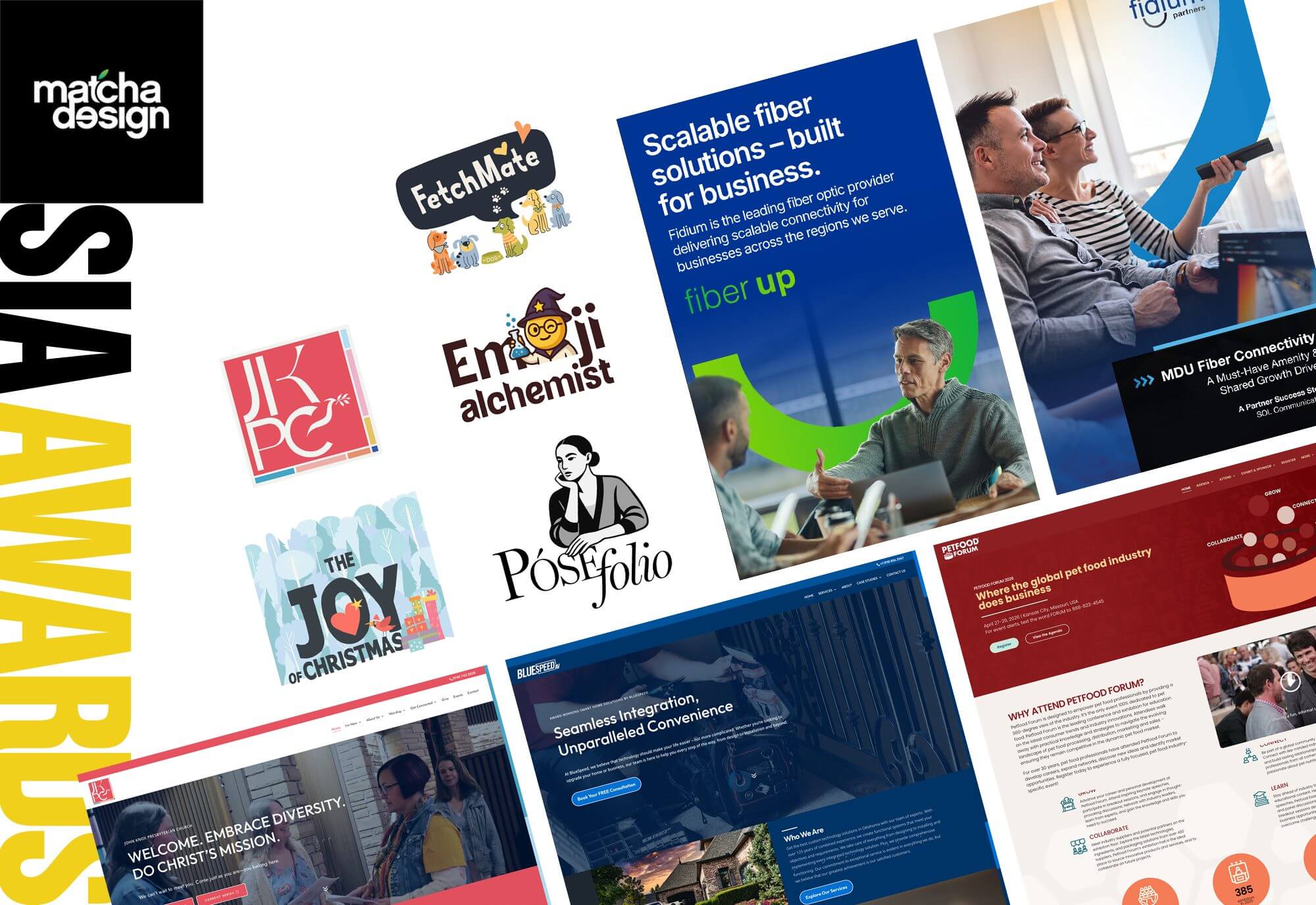
Matcha Design, an award‑winning creative agency known for its strategic storytelling and design excellence, has once again been recognized on the national stage—earning ten awards at the 23rd Annual Service Industry Advertising Awards (SIAA). The wins span websites,…
Matcha Design Triumphs in 2025 TechBehemoths Global Excellence Awards
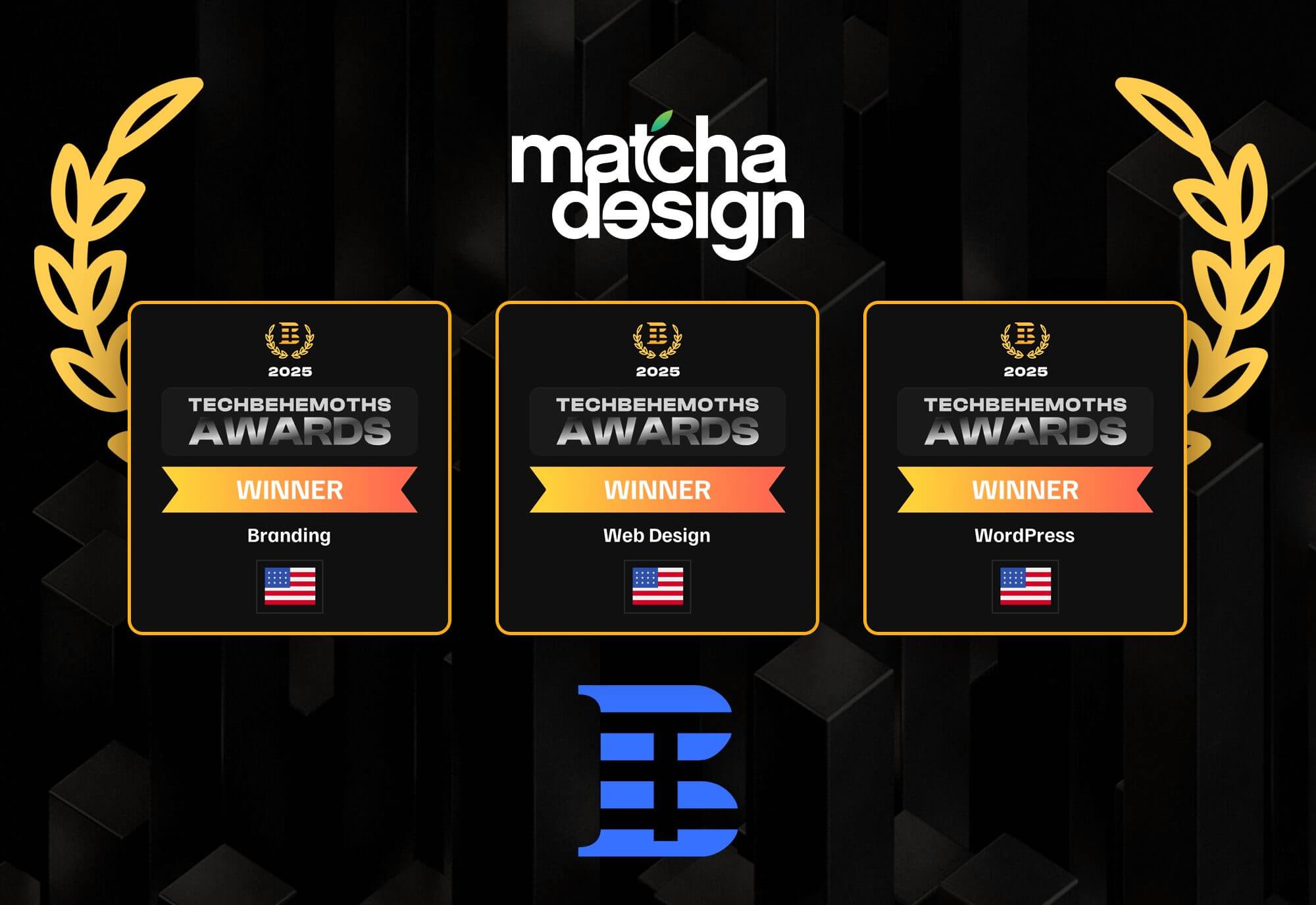
Matcha Design, a renowned B2B services agency based in Tulsa, Oklahoma, has once again been recognized for its outstanding service and expertise, securing multiple accolades at the 2025 TechBehemoths Global Excellence Awards. This marks the fourth consecutive year…
Matcha Design Celebrates Two More Silver Wins at the 21st Annual Davey Awards
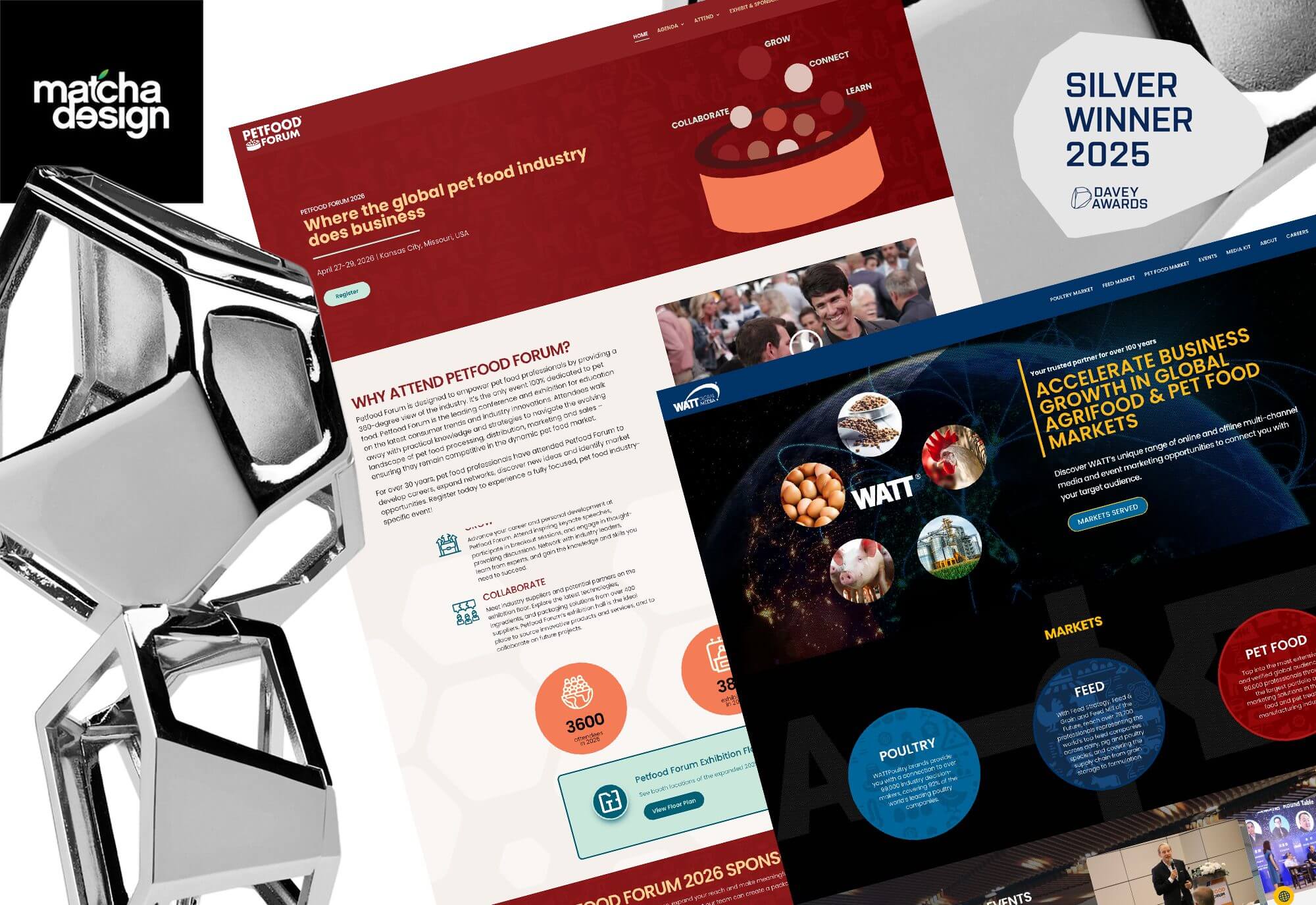
The Davey Awards truly shine a spotlight on small agencies that deliver exceptional creative work. This year, Matcha Design is thrilled to add two more Silver Awards to our impressive collection! Based in Tulsa, our full-service creative agency has been recognized for…

Matcha Design Wins Bronze at Summit Creative Awards for BlueSpeed Website
Matcha Design is proud to announce it has been awarded a Bronze Summit Creative Award for the BlueSpeed website design and development project. This recognition marks Matcha Design’s seventh Summit Creative Award win, underscoring the firm’s continued excellence in…

Matcha Design Wins Four Prestigious 2025 Communicator Awards
Matcha Design earns one Excellence Award and three Distinction Awards at the 2025 Communicator Awards, showcasing their continued commitment to innovative design and effective client storytelling. Matcha Design, a leading creative agency based in Tulsa, Oklahoma,…

Matcha Design Clinches Top Honors At 22nd Service Industry Advertising Awards
For the 14th year in a row, the Tulsa B2B services firm Matcha Design has been honored with multiple awards at the 2024 Service Industry Advertising Awards. Their latest triumph cements their 14-year streak of outstanding achievement at this industry showcase. Since…

Matcha Design Announces Third Consecutive Win At TechBehemoths 2024
Matcha Design, a B2B services agency based out of Tulsa, Oklahoma, has won the 2024 TechBehemoths. Out of over 43,000 top IT companies worldwide, the agency has earned the distinction of being one of only 428 winners in the United States. This achievement is…

Matcha Design Celebrates Four Davey Awards for Creative Excellence
Matcha Design, a full-service B2B agency, has been honored with four prestigious Davey Awards, showcasing the agency’s expertise in creative design. The agency, which has now earned a total of 69 Davey Awards over the years, continues to push the boundaries of…
Matcha Design Takes Home Silver Win at Summit Creative Awards
For the 14th Year in a Row, Matcha Design Is Recognized for Excellence Matcha Design has been awarded the prestigious silver award at the 2024 Summit Creative Award. The award-winning project is listed below: Silver Summit Award: B2B Website: WATT Global Media website…

Matcha Design has a Top Digital Agency Website by Design Rush
We are extremely delighted to share the wonderful news that Design Rush has chosen Matcha Design’s website as one of The Best Digital Agency Websites for the year 2024! This acknowledgment serves as a clear testament to the unwavering commitment of our team in…
Matcha Design Triumphs with 5 New Communicator Awards
Matcha Design Wins 3 Silver Awards and 2 Gold Awards in 2024 We are more than pleased to announce that Matcha Design has been recognized for excellence in design at the 30th Annual Communicator Awards. The award-winning projects are listed below. Gold Award of…

Matcha Design Returns As Winner of the 2023 TechBehemoths Awards
For the second year in a row, Matcha Design has taken a place among the top tech companies in the world in the annual TechBehemoths Awards. The winners of the 2023 TechBehmoths Awards have now been announced. Among the 1,650 companies from 43 countries recognized for…

Matcha Design Celebrates 20 Years of Innovation and Excellence
After two decades of providing design services to companies big and small, Matcha Design remembers its humble beginnings and looks forward to new horizons. Matcha Design was founded in 2004 by Chris Lo, a professional creative who wanted to make it easy for businesses...

Stay Home, Stay Safe.
Dear clients, We are in this together and we are here for you. COVID-19 outbreak is an unforeseen pandemic event that strikes domestically and globally. Many industries are being affected and many are struggling. Matcha Design has been working and communicating with...

Why Intent Matters When Choosing a Website Design Firm
“Is Your Website an All-Star…” featured article from Vantiv.com (now fisglobal.com) shares a deep-dive on common guidelines and execution for Value Added Resellers when updating or re-thinking the utility of their website. Akin to shedding extra weight in the fitness...

Branding Identity Design: Defending Dignity
Defending Dignity is a Tulsa-based Non-Profit on a mission to support women who are victims of human trafficking. By reaching out to those affected by exploitation they aim to facilitate healing and restoration. “When the opportunity arises to help an organization...

Matcha Design Presents SHBC’s New Look for a New Century
For their 100th year celebration, Southern Hills Baptist Church in Tulsa, OK turned to Matcha Design to give them a bold new look. Their redesigned branding and newly developed website will help carry them onward into the future. "We pulled out all the stops to give...

It’s Our 13th Anniversary
Thank You For Helping Matcha Design Celebrate 13 Years in Business It would be impossible for us to be celebrating our 13th anniversary without our incredible clients today. As a dedicated digital marketing entity, we need businesses, organizations, and entrepreneurs...
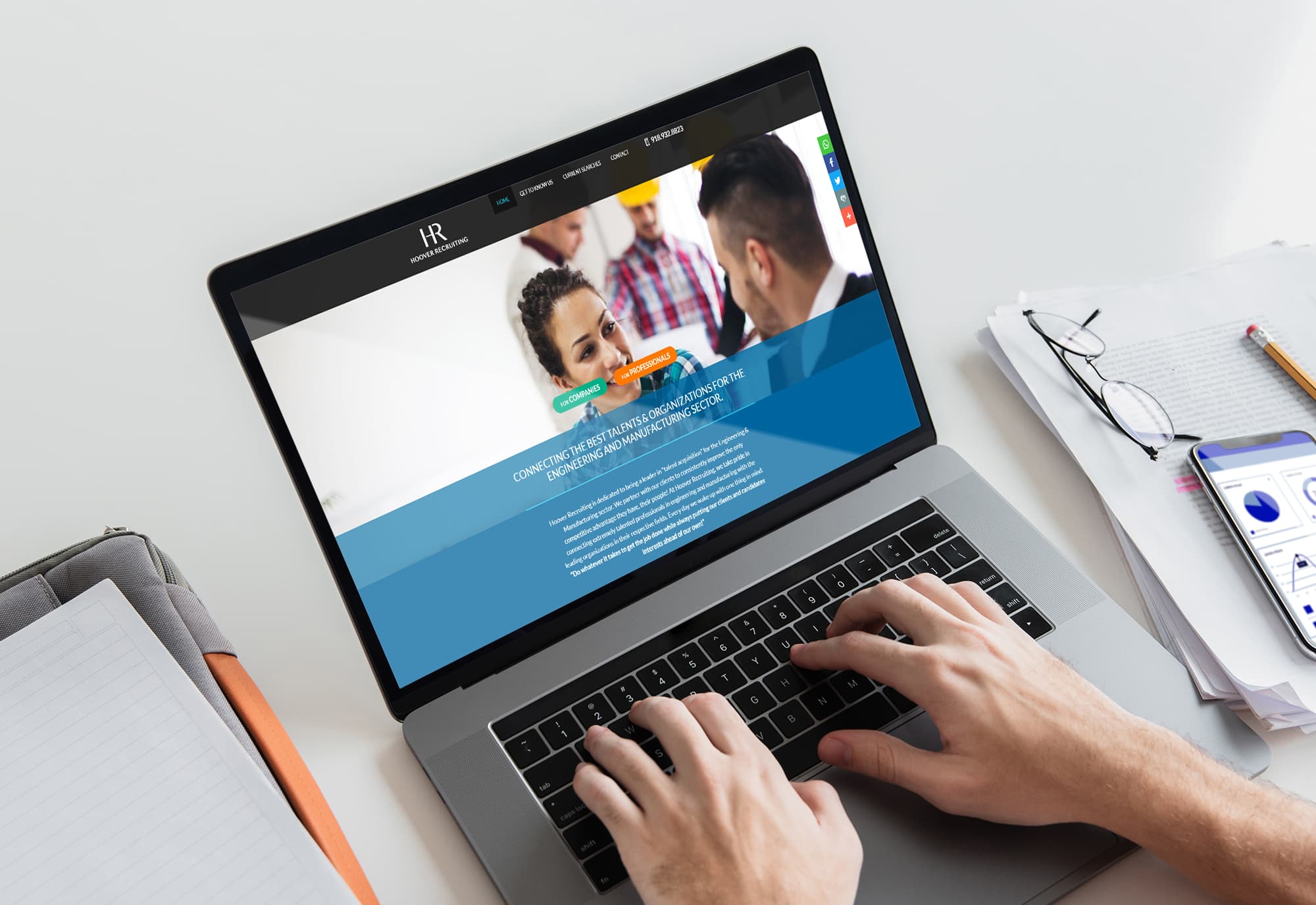
Hoover Recruiting Gets a Knockout Site from Matcha Design
Technical recruiting firm Hoover Recruiting has taken a big step forward in their business with a powerful new website created by Matcha Design. This technically advanced site boasts parallax scrolling features and a fully responsive design. “We took a rough idea for...

Matcha Design Pulls Out All Stops on Attorney Site Reboot
Matcha Design has converted Tulsa attorney Dwight L. Smith’s previously existing website into a vibrant and attractive marketing tool, packing an entire site’s worth of content and functionality into a single page. “Their old site was template-driven, and it...

Chris Lo Invited to Judge 21st Annual Communicator Awards
Chris Lo, President and Creative Director of Matcha Design, has been invited to serve on the judging panel of the 21st Annual Communicator Awards. "It's a privilege to participate in this year's judging panel for the Communicator Awards," said Chris. "I appreciate the...

Matcha Design Puts ECO Dentworks in the Limelight
ECO Dentworks, Calgary, Alberta’s most popular paintless dent repair shop, has launched their new website to rave reviews. Of course, their site was proudly designed and built by Matcha Design. “We’ve been the go-to company for ECO Dentworks for a number of years...

Matcha Design Dominates RSI Envelopes Website Design
Facing poor design, incomplete work, and broken promises, RSI Envelopes needed someone to step up and deliver a powerful, feature-laden website designed to impress. Who else could they turn to but Matcha Design. "We knew the client had just had a bad experience with...

Matcha Design Knocks One Out of the Park for Legal Docs Depository
Legal Docs Depository had a brand new business idea for storage of important documents: secure, proof from fire, theft, and tornadoes, accessible even on weekends and holidays, free lawyer review, plus an online document viewing service which is unique in the field....